Anime pilgrimage in Japan: how to visit real-life anime locations (seichi junrei)
Seichi junrei — visiting the real places that inspired your favourite anime. How it works, how to do it respectfully, and six of the most iconic, verified spots from Your Name to Evangelion.
What is seichi junrei?
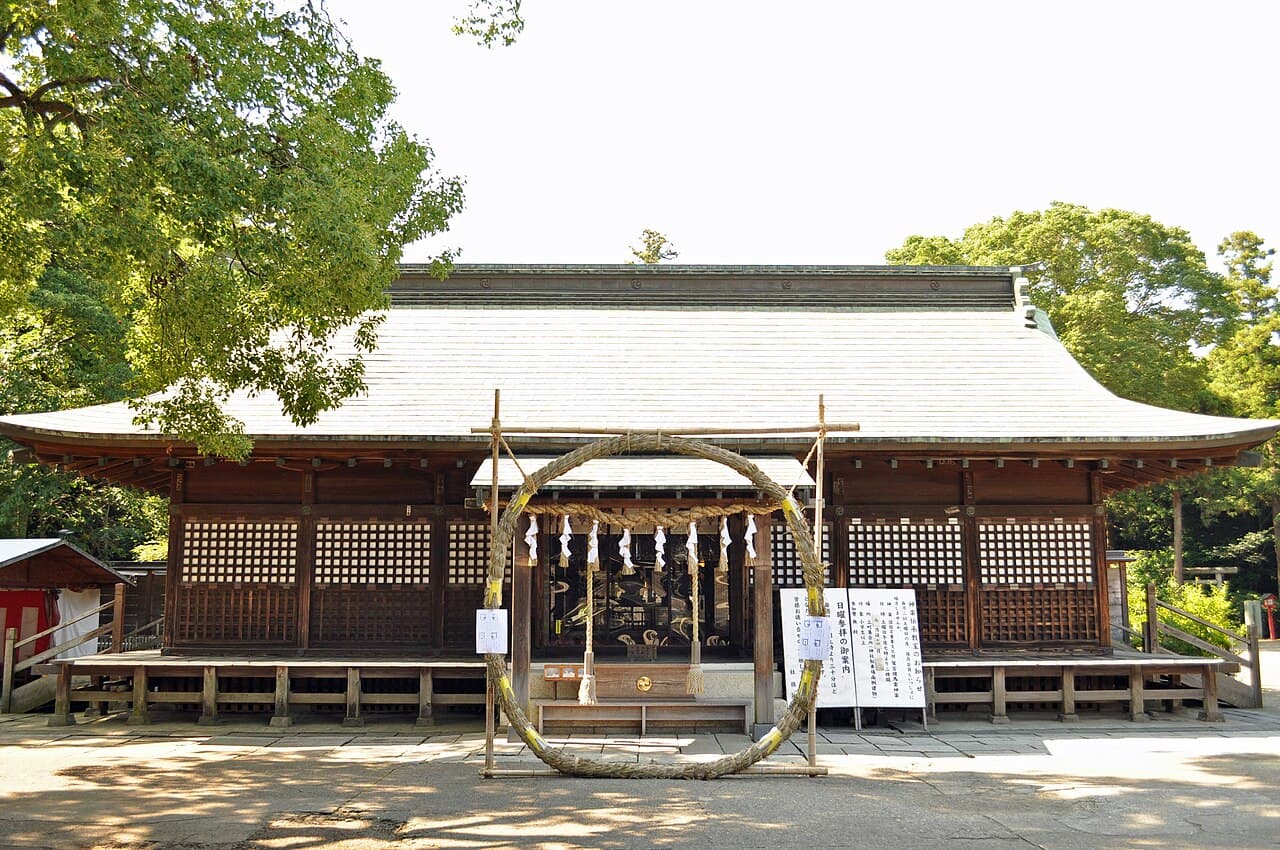
Seichi junrei (聖地巡礼), literally "holy-site pilgrimage," means visiting the real-world places that inspired scenes in an anime, film or game. Fans compare the frame to the real view, take the same shot, and soak in the feeling of standing where a beloved story happened. The modern boom is usually traced to 2007, when fans of Lucky Star flocked to Washinomiya Shrine — and towns across Japan now actively welcome pilgrims with stamp rallies, collaborations and goods.
Six iconic spots to start with
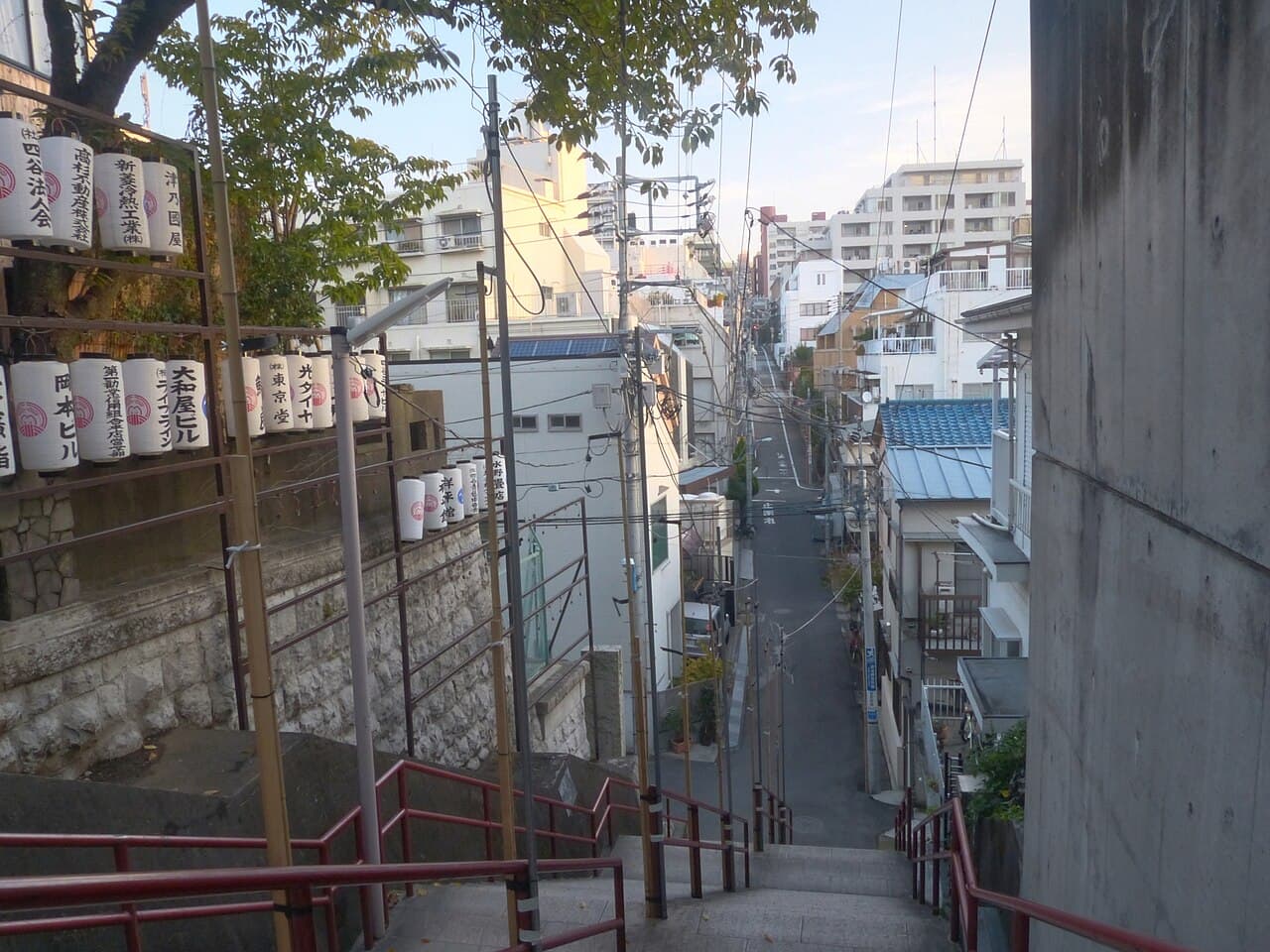
- The 'Your Name' staircase at Suga Shrine — the emotional final scene, in Yotsuya, Tokyo.
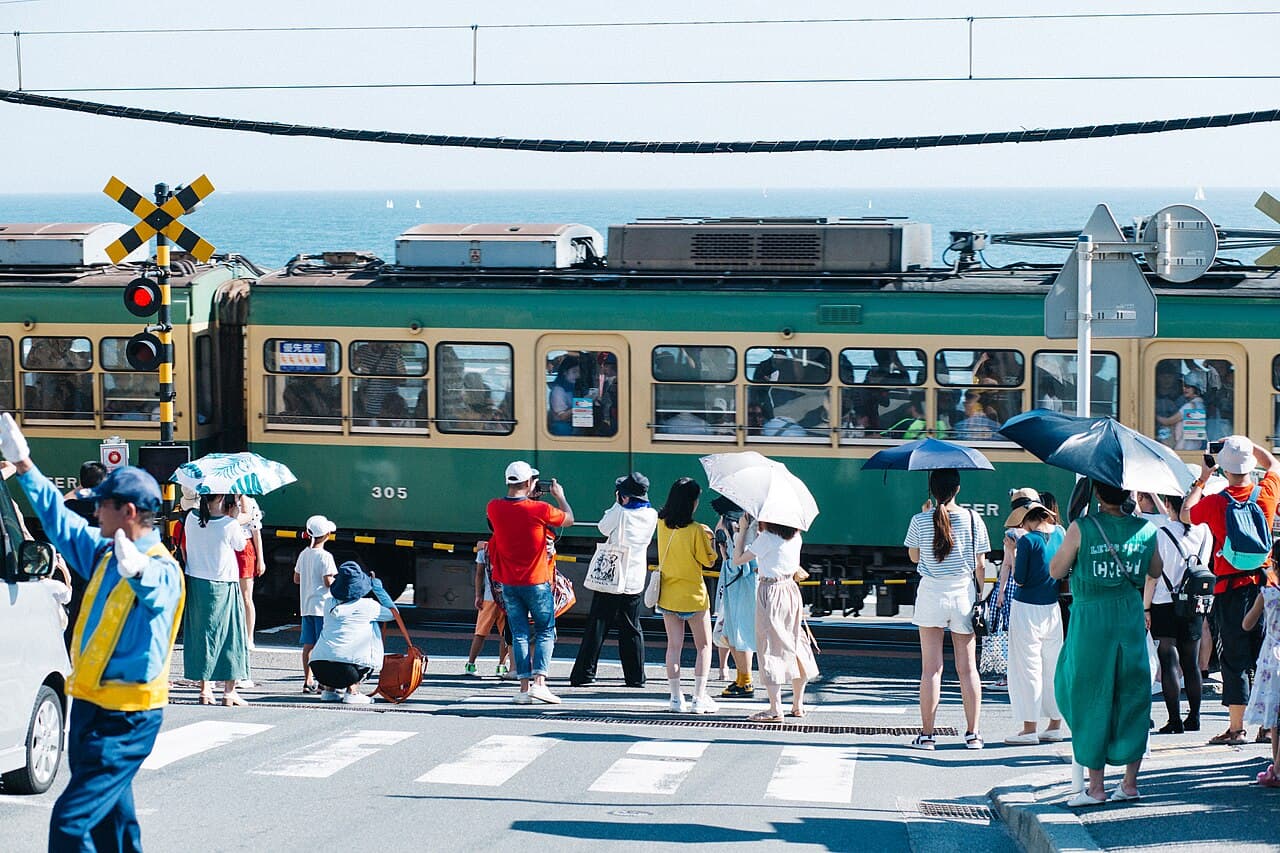
- The Slam Dunk railway crossing — the seaside Enoden crossing in Kamakura.
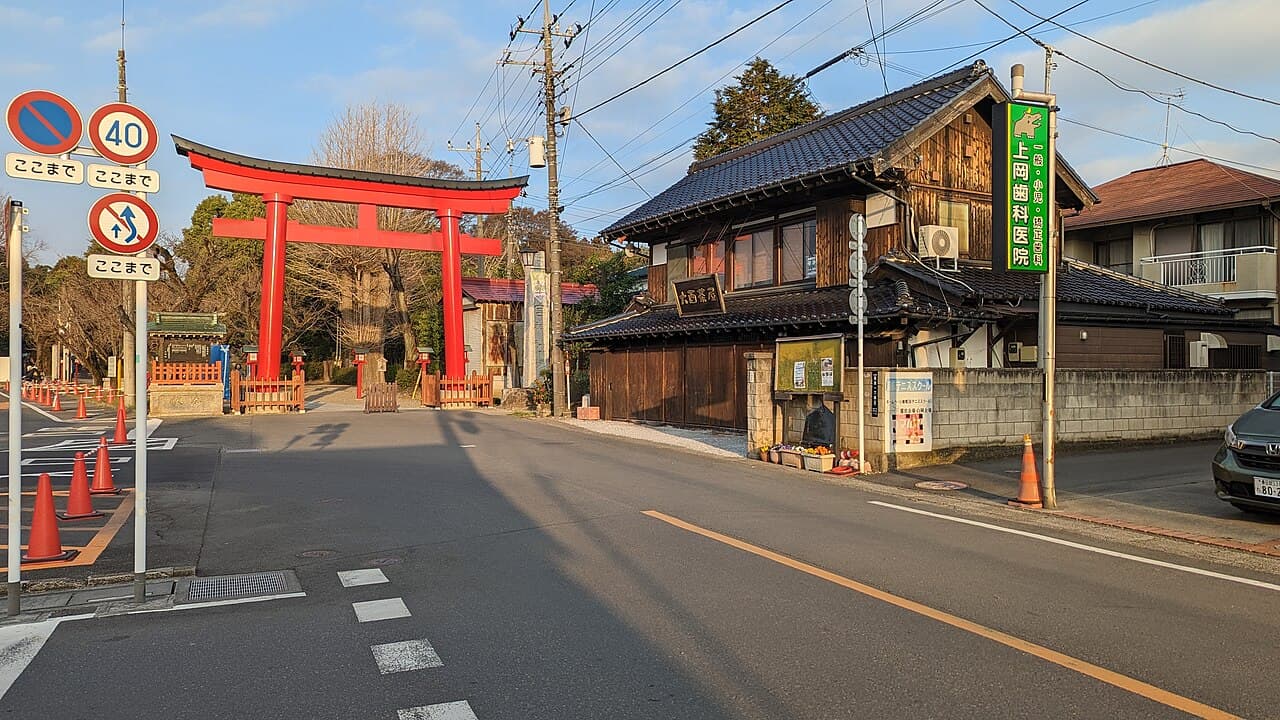
- Washinomiya Shrine (Lucky Star) — where the pilgrimage boom began, in Saitama.
- The K-On! school (former Toyosato Elementary) — a free-to-enter Vories building in Shiga.
- Numazu & Uchiura (Love Live! Sunshine!!) — Aqours' seaside hometown in Shizuoka.
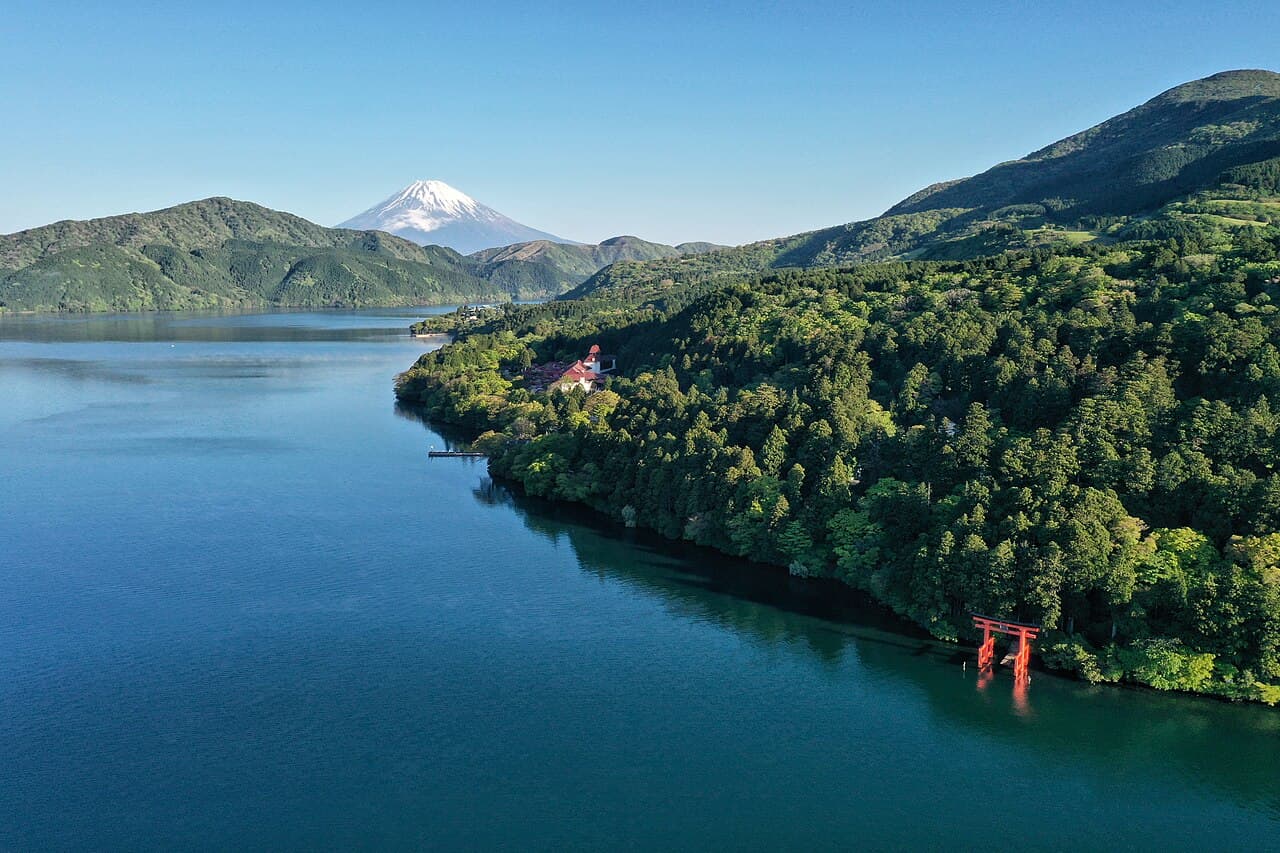
- Hakone — Evangelion's Tokyo-3 — the hot-spring resort behind Tokyo-3.
A new pilgrimage spot for 2026: Ito, Shizuoka (Grand Blue)
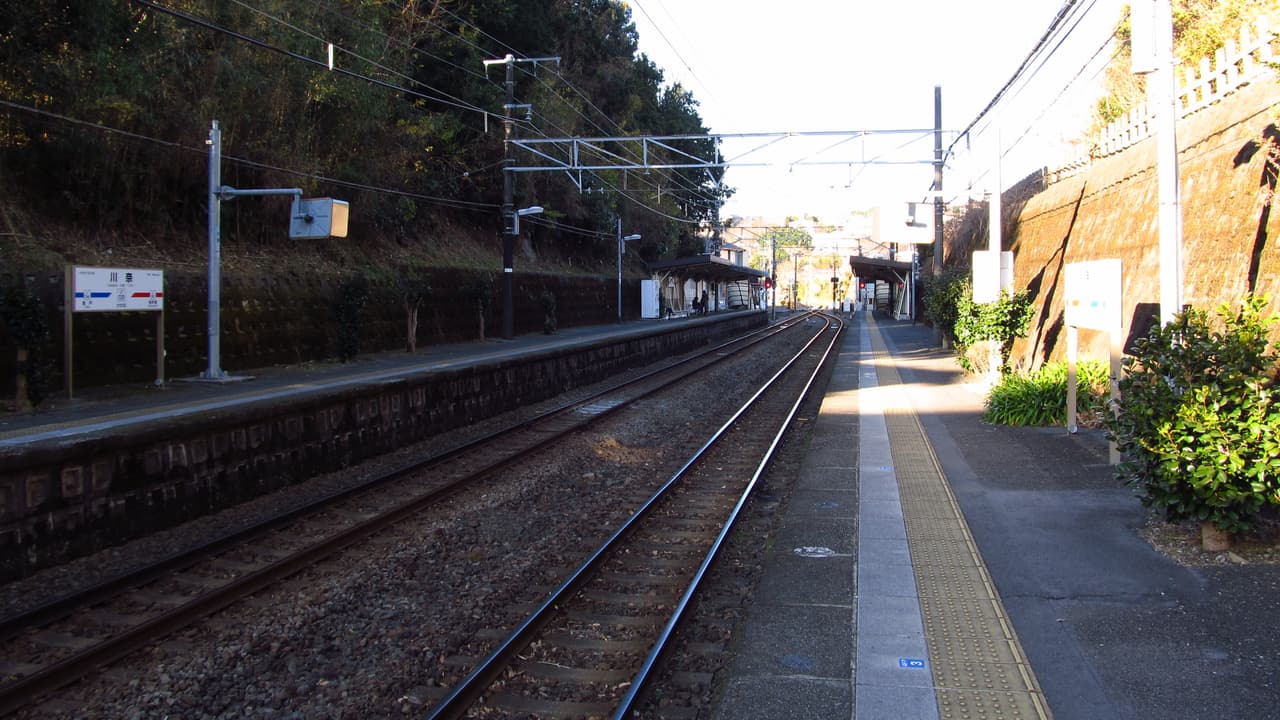
The Anime Tourism Association's "88 Anime Spots in Japan" 2026 edition (announced 13 February 2026) added Ito City, Shizuoka, for Grand Blue. The backdrops are around Izukyu Kawana Station and central Ito. The five on-screen places, the fare from Ito to Kawana and the no-reservation izakaya are covered in Grand Blue pilgrimage in Ito (Kawana).
How to do it respectfully
Many pilgrimage spots are ordinary places — working shrines, live railway crossings, residential streets, real shops and homes. The golden rule is to be an invisible, considerate guest:
- Don't disturb daily life: keep your voice down, don't block roads, steps, platforms or doorways for photos, and never trespass onto private property.
- Respect sacred and dangerous places: bow at shrine torii and don't interrupt worshippers; obey safety signs at active sites (Owakudani is a live volcanic zone).
- Follow the rules at crowded spots: places like the Slam Dunk crossing get extremely busy and are managed by on-site guides — follow them.
Tips for planning
Apps and sites like Anitabi map anime scenes to coordinates, and many tourist boards publish official pilgrimage maps and stamp rallies. Most spots are free, day-trippable from Tokyo or Osaka, and best visited early for light and smaller crowds. Pair a pilgrimage with a goods run in Akihabara or Ikebukuro for the full trip.
FAQ
- What is seichi junrei (anime pilgrimage)?
- It's visiting the real-world places that inspired scenes in an anime, film or game — comparing the real view to the frame and standing where the story happened. The modern boom dates to 2007 with Lucky Star fans visiting Washinomiya Shrine.
- How do I behave at an anime pilgrimage spot?
- Be a considerate, near-invisible guest: many spots are working shrines, live railway crossings or residential streets. Keep quiet, don't block roads/steps/doorways for photos, never trespass, respect worshippers, and follow safety signs and on-site guides.
- Are anime pilgrimage spots free to visit?
- Most are free public places (shrines, crossings, streets) and day-trippable from Tokyo or Osaka. A few sites like the former Toyosato school are free to enter; some involve travel and local transport. Go early for better light and fewer crowds.