Osu, Nagoya otaku guide: animate, Mandarake, Jungle & how to get there
Osu is Nagoya's otaku shopping district — a covered arcade of ~1,200 shops around a 14th-century temple, about 10 minutes by subway from Nagoya Station. Here's how to get there and what to expect.
The short answer
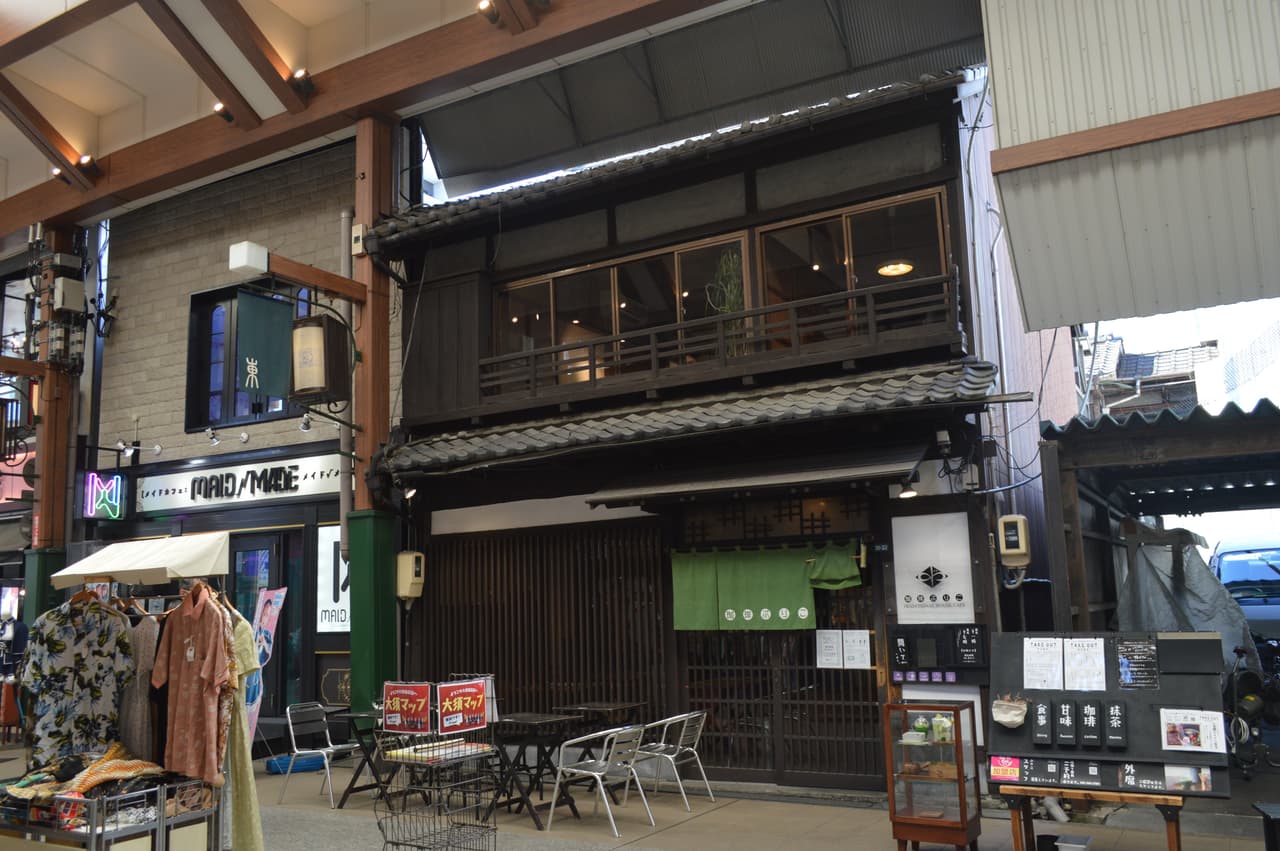
Osu (大須) is Nagoya's otaku shopping district: a network of eight connected, roof-covered shopping arcades — roughly 1,200 shops in total — wrapped around the 14th-century Osu Kannon temple, about 10 minutes by subway from Nagoya Station (¥210 one-way). Unlike Akihabara or Osaka's Den Den Town, Osu isn't an electronics town that happens to have otaku shops bolted on — it's a genuinely mixed "melting pot" street where secondhand-clothing stores, street food stalls, a Buddhist temple and otaku specialty shops like Mandarake Nagoya and Jungle Nagoya sit side by side. It's smaller and quieter than Tokyo or Osaka's otaku districts, but it rewards a slow, on-foot wander more than either of them.
Getting to Osu from Nagoya Station
From Nagoya Station, take the Higashiyama subway line one stop to Fushimi, then transfer to the Tsurumai line and ride one more stop to Osu Kannon Station. The whole trip, including the transfer, takes about 10 minutes and costs ¥210 one-way. From Osu Kannon Station, the temple and the start of the shopping arcades are right outside Exit 2 — a couple of minutes' walk at most. An alternative is Kamimaezu Station (Meijo and Tsurumai lines): Exit 8 leads directly into the arcades' southern end, about a 2-minute walk — useful if you're coming from Sakae or Kanayama. There's no need for a taxi or bus; the subway drops you right at the district.
What's different from Akihabara and Den Den Town
If Akihabara is otaku culture stacked on top of an electronics town, and Osaka's Den Den Town is a quieter cousin of Akihabara, Osu is neither. It's Nagoya's general-purpose downtown shopping street first, and an otaku destination second. Locals of every age — grandparents, families, students, cosplayers — walk the same covered arcades, and the shop mix reflects that: alongside anime and figure stores you'll pass used-clothing and vintage stores (Komehyo's Osu complex, a few minutes from Mandarake, is Japan's best-known secondhand marketplace for kimono, brand bags and clothes sold by weight), street-food stalls, and ordinary Nagoya retail. That means Osu has less of the wall-to-wall neon-and-figures intensity of Akihabara, but also fewer crowds and a more relaxed pace for actually browsing. On the 18th and 28th of every month, an antique and flea market (roughly 70 stalls, dawn to dusk) fills the Osu Kannon temple grounds — worth timing a visit around if you like vintage toys and curios alongside the otaku shops.
Osu Kannon temple and the shotengai
Osu Kannon is the district's anchor and its namesake. The temple's origins date to the 14th century, originally enshrined outside Nagoya; it was relocated to its current site in 1612 on the orders of Tokugawa Ieyasu as he built up the area around the newly founded Nagoya Castle. The temple grounds sit at the western end of the arcades, and the eight shopping streets — Niomon-dori, Akamon-dori, Banshoji-dori and others — fan out from there, all covered, all walkable in flat shoes regardless of weather. Treat the temple as your starting landmark: orient yourself there, then work outward through the arcades toward Mandarake and Jungle, snacking on Osu's famous street food (hitsumabushi, taiyaki, fried chicken stalls) as you go.
The otaku shops: animate, Mandarake, Jungle
Osu's otaku strength is secondhand and specialty hobby goods, not new-release megastores. Mandarake Nagoya, at 3-18-21 Osu, is the anchor: four floors of used manga, figures, model kits and doujinshi, open 12:00–20:00 daily. A short walk away, Jungle Nagoya (3-19-1 Osu) is a smaller secondhand hobby shop that leans hard into tokusatsu and robot merchandise — Kamen Rider, Ultraman, Super Sentai and mecha toys — open 11:50–20:00 on weekdays and 11:00–20:00 on weekends and holidays, every day of the year. If you want new releases and the newest merch rather than used stock, animate's Nagoya store is the chain to check — but note that unlike Mandarake and Jungle, animate's own Nagoya branches sit outside the Osu arcades themselves (in Sakae and near Nagoya Station's Taiko-dori exit), so budget a short extra subway hop if new-release goods are your priority. For a wider read on how Nagoya's shops compare to Tokyo's, see our Akihabara guide and Den Den Town, Osaka guide.
Practical notes
English support at Mandarake and Jungle should be expected to be basic staff English, as at most secondhand shops outside Tokyo's biggest tourist hubs — Google Translate's camera mode helps with packaging and price tags. Payment: cash is still common at Osu's smaller hobby shops, so carry some yen even if the bigger stores take cards and IC cards. For tax-free shopping rules (passport, minimum spend) that apply across Japan, see our Japan tax-free shopping guide, and if your Osu haul won't fit your suitcase, our guide to shipping figures and goods home from Japan covers your options. First time navigating otaku shop etiquette generally? Start with our foreigner's guide to otaku culture in Japan, and if any of the vocabulary in this guide is unfamiliar, our otaku glossary explains the terms.
常见问题
- How do I get to Osu, Nagoya from Nagoya Station?
- Take the Higashiyama subway line one stop to Fushimi, transfer to the Tsurumai line, and ride one more stop to Osu Kannon Station. The whole trip takes about 10 minutes and costs ¥210 one-way. From Osu Kannon Station's Exit 2, the temple and shopping arcades are right outside. Kamimaezu Station (Meijo/Tsurumai lines) is an alternative entry point, about a 2-minute walk from Exit 8.
- How is Osu different from Akihabara or Den Den Town?
- Osu is Nagoya's general downtown shopping arcade first and an otaku destination second — otaku shops sit alongside secondhand clothing stores, street food and an active Buddhist temple, drawing a broad local crowd rather than a mostly otaku one. It's smaller and quieter than Akihabara or Osaka's Den Den Town, with less neon-and-figures density but an easier pace to browse.
- Is there an animate store inside the Osu shopping arcades?
- No — animate's own Nagoya branches are located outside the Osu arcades (in Sakae and near Nagoya Station's Taiko-dori exit), not inside the covered shotengai itself. Osu's core otaku shopping strength is secondhand and specialty stores like Mandarake and Jungle; if new-release animate merchandise is your priority, budget a short extra subway trip.
- What are the hours for Mandarake and Jungle in Osu?
- Mandarake Nagoya (3-18-21 Osu) is open 12:00–20:00 daily, year-round. Jungle Nagoya (3-19-1 Osu) is open 11:50–20:00 on weekdays and 11:00–20:00 on weekends and holidays, also every day of the year.
- What is Osu Kannon temple and why is it central to the district?
- Osu Kannon is a Buddhist temple whose origins date to the 14th century; it was relocated to its present site in 1612 on the orders of Tokugawa Ieyasu as he developed the area around Nagoya Castle. The temple sits at the western end of Osu's eight covered shopping arcades, which fan out from its grounds — making it the natural landmark to orient yourself by before working through the shops.