Otaku Japan: the foreigner's guide to etiquette, money & tax-free
Your map to otaku Japan: the unwritten etiquette, cash vs card, how tax-free works (and the Nov 1, 2026 refund switch), shipping your haul home, and a smart district route.
Start here
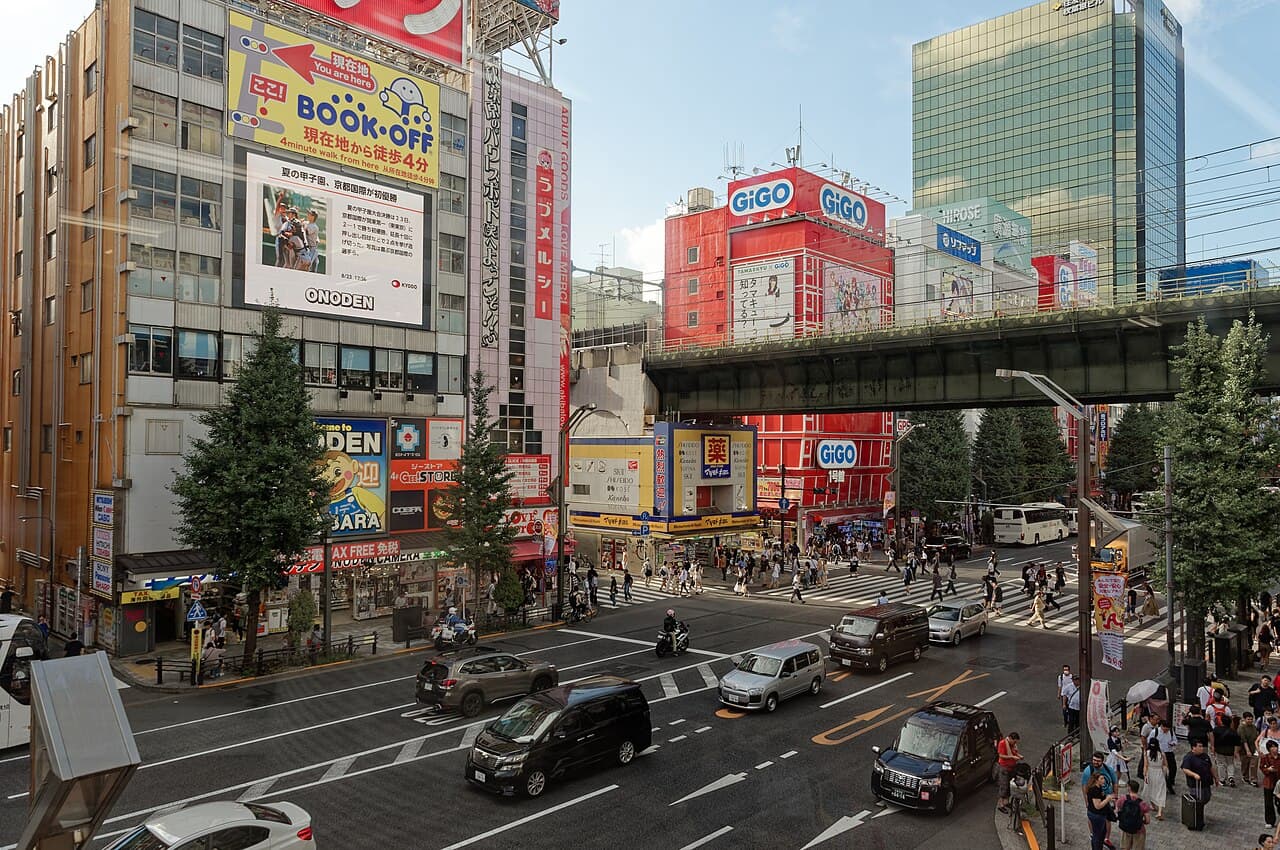
Otaku Japan rewards a little homework. The shops, cafés and events that make a trip unforgettable run on unwritten rules — what you can photograph, when to carry cash, how to qualify for tax-free, and how to get a fragile figure home in one piece. Get those right and you move through Akihabara, Nakano and Ikebukuro like a regular instead of a lost tourist. This guide is the map; each section hands you to a deeper single-topic guide. The one thing to lock in right now: Japan's tax-free system changes nationwide on November 1, 2026 — details below.
The unwritten etiquette
- Maid cafés have the firmest rules. You generally cannot photograph the maids (paid cheki photo sets are the exception), no touching and no asking for contact details, and there's usually a table charge plus a per-person order minimum. Read the full maid café etiquette guide before your first visit.
- Photo policy in shops is often "no photos." Secondhand figure floors, display cases and doujin corners frequently ban photography to protect sellers and IP. When unsure, ask "shashin ii desu ka?" ("may I take a photo?") and watch for crossed-camera signs.
- Queueing at big events is a discipline sport. Comiket, Wonder Festival and goods launches use orderly rows, staff direction and no running; cutting in or blocking aisles gets you pulled out. Follow staff and the printed signs.
- Doujin tables at events are mostly cash, small bills, no haggling — and don't photograph a circle's table or art without asking. Treat the creators like the small businesses they are.
Money: cash, card, IC and QR
Japan gets more cashless every year, but otaku spending is uneven:
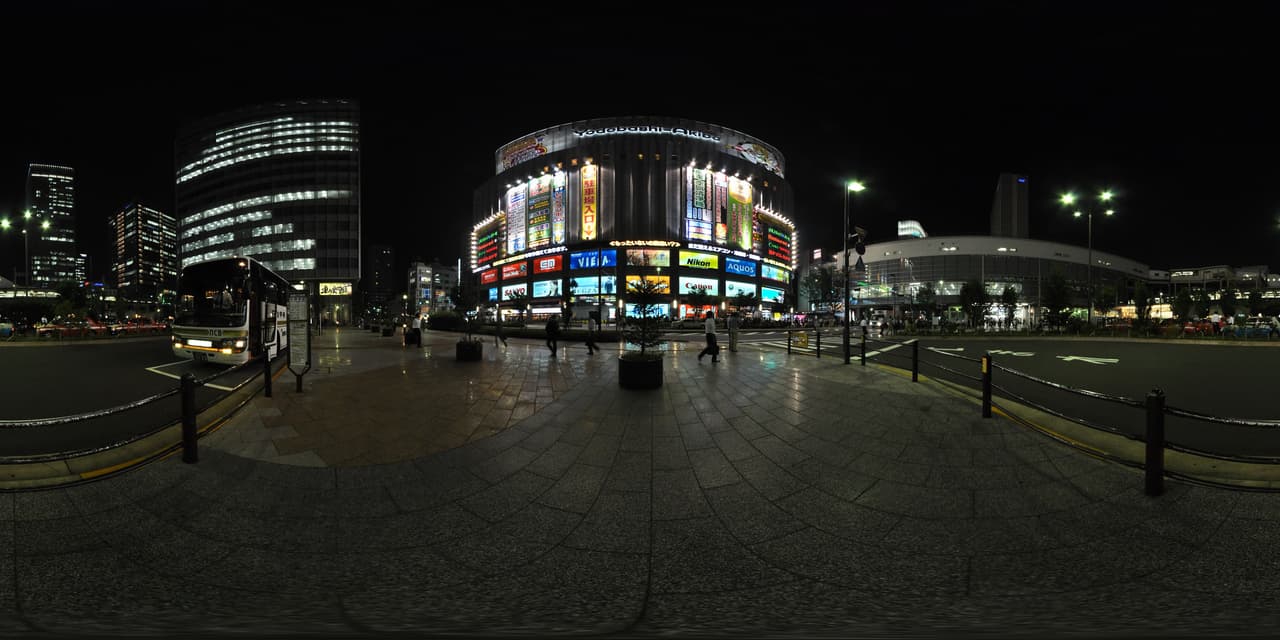
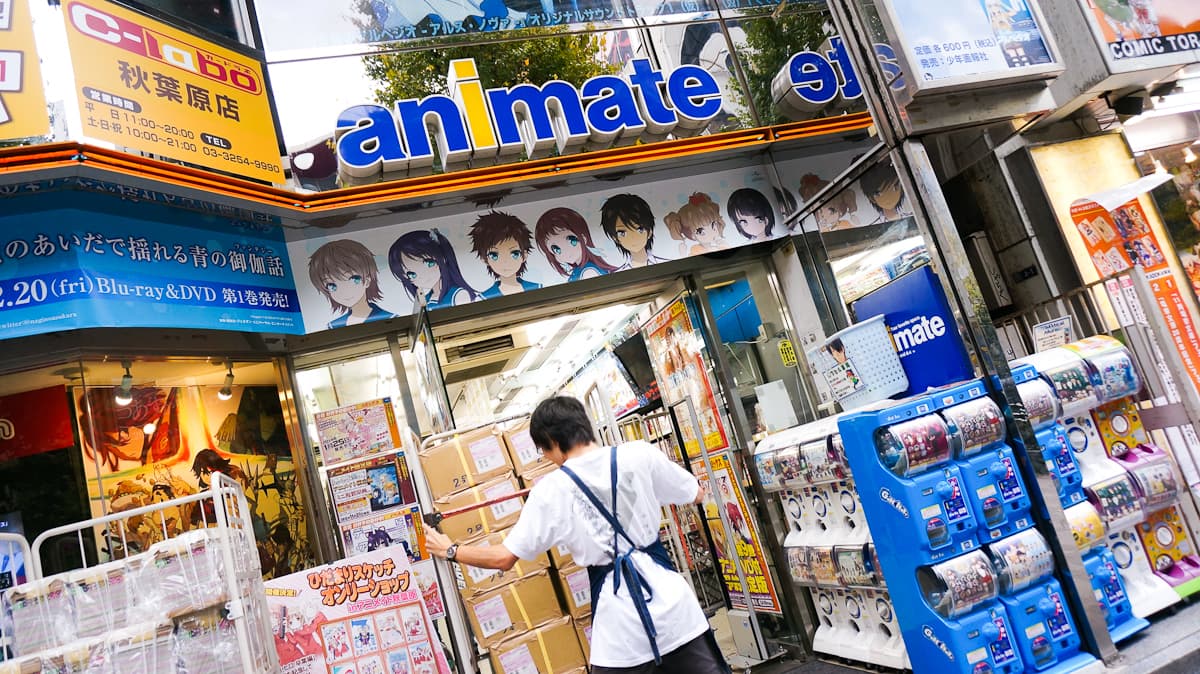
- Big shops — Yodobashi-class electronics, animate, Mandarake, the chain card stores — take credit cards, IC (Suica / PASMO / ICOCA) and QR (PayPay and the like).
- Cash lives in the fun corners: gachapon machines (most capsules now run ¥300–500; machines take ¥100 coins so bring a stack, and bill changers often accept only ¥1,000 notes), small secondhand stalls, some maid cafés and most doujin tables.
- Practical rule: keep an IC card topped up for trains and konbini, and carry ¥10,000–20,000 in cash for the cash-only fun.
Tax-free: how it works, and the big November 2026 change
Short-term foreign visitors can avoid Japan's 10% consumption tax on otaku hauls at licensed "Japan Tax-free Shop" stores. The qualifying basics are steady: spend at least ¥5,000 (pre-tax) at one store on one day, show your passport, buy for personal use, and take the goods out of Japan.
The mechanism is what's changing. Right now (mid-2026) the tax is knocked off at the register. From November 1, 2026, the whole country switches to a refund model: you pay the full tax-inclusive price in the shop, then claim the consumption tax back before departure at the airport (customs terminals / the Visit Japan Web site). The trade-off is real simplification — the old ¥500,000 daily cap, the sealed-bag rule for consumables and the general-goods-vs-consumables split all disappear, but you must leave Japan within 90 days of purchase with the items on you. Because procedures are mid-transition, confirm the current method at the store's tax-free counter and read the dedicated tax-free shopping guide.
Getting your haul home
Big figures, statues and box sets are heavy, fragile and bulky. The most reliable routes are a package-forwarding service or Japan Post's EMS / surface mail. Among the shops, Mandarake ships internationally directly (online via SAHRA, or for in-store buys via its Concierge "buy-for-me" service); many physical stores — including animate and Yodobashi — do NOT ship in-store purchases abroad directly, so use a forwarder for those. Remember that declared value can trigger customs or duty in your own country, and tax-free goods must physically leave Japan with you. The full how-to — boxes, insurance, customs forms and what not to ship — is in shipping figures home from Japan.
Words you'll actually use
You don't need fluent Japanese, but a dozen terms unlock everything: tokuten (bonus item), gachapon, cheki, oshi (your favourite), genteihin (limited item), tax-free. Keep the otaku glossary open on your phone.
Planning a route across districts
Don't try to do everything in one neighbourhood. A clean first trip:
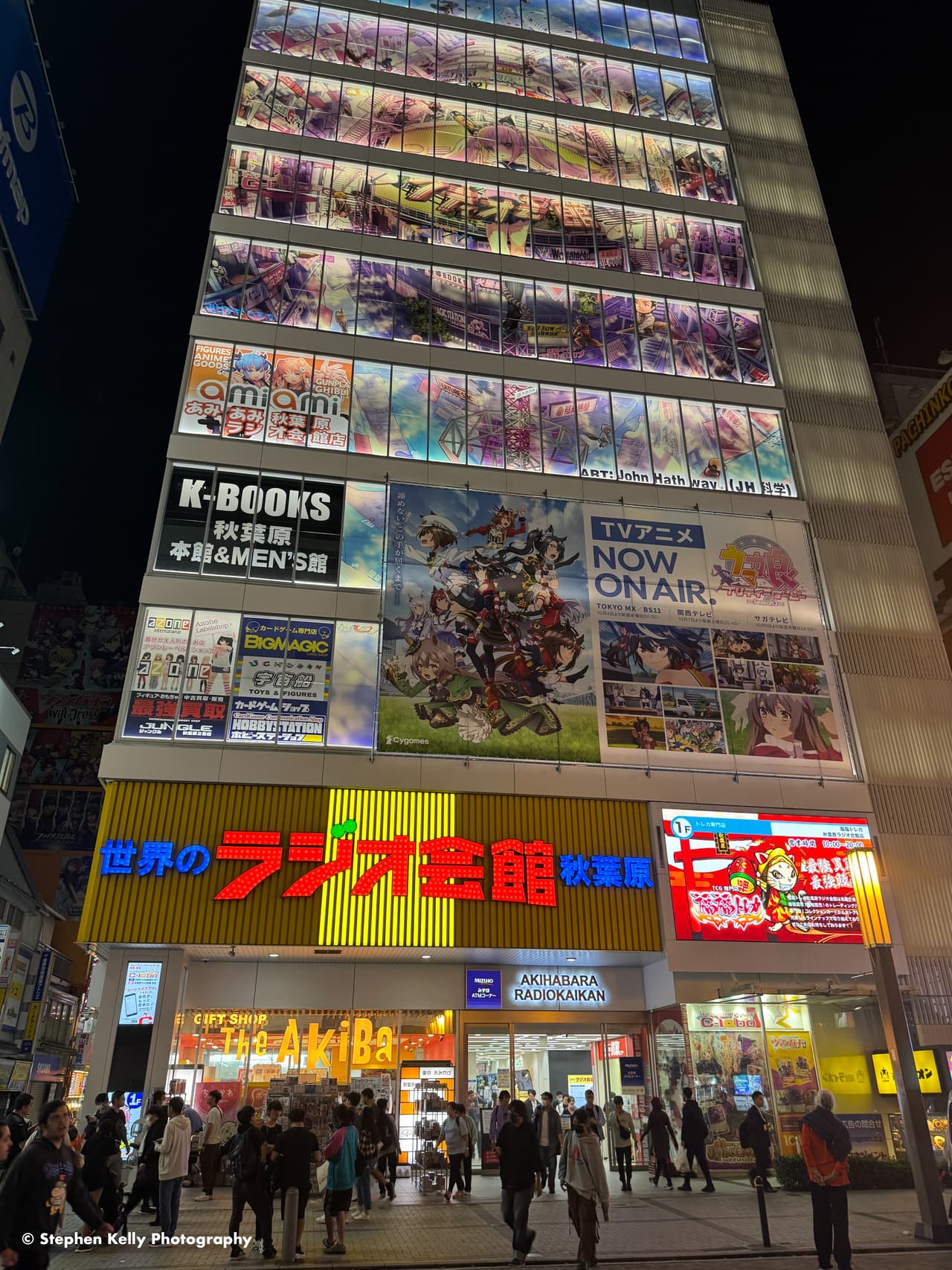
- Akihabara — figures, electronics, retro games, cards and maids; our one-day Akihabara itinerary sequences it for you.
- Nakano Broadway — deep secondhand and collector grails, quieter than Akiba.
- Ikebukuro's Otome Road — the heart of fujoshi and female-fan culture.
- Card players: where to play and enter tournaments in the Tokyo TCG guide.
- Want to stand where your favourite scene happened? Start with the anime pilgrimage guide.
Gotchas that decide a trip
- Big events are advance / reservation-heavy. Comiket, Wonder Festival and convention-day goods often need tickets, wristbands or online reservations bought before the day — turning up cold can mean no entry. Check each event page first.
- Things move and close. Shops relocate, floors get rebuilt, and café menus and "transform" schedules rotate seasonally. Verify hours the morning you go.
- Limited goods sell out fast and are often one-per-person; popular drops form lines before opening.
FAQ
- Is otaku Japan English-friendly?
- In big shops and tourist districts, yes — English signage, tax-free counters and translation apps cover most needs. Smaller secondhand shops, doujin tables and some maid cafés are less so, so a few phrases plus our otaku glossary go a long way. Staff are used to foreign fans in Akihabara, Nakano and Ikebukuro.
- Do I need cash, or is a card enough?
- Carry both. Big shops take credit cards, IC (Suica/PASMO/ICOCA) and QR like PayPay, but gachapon, small secondhand stalls and most doujin tables are cash-only. Keep an IC card topped up and ¥10,000–20,000 in cash on you.
- How does tax-free work, and is it really changing?
- Spend at least ¥5,000 pre-tax at one store on one day and show your passport. Right now (mid-2026) the 10% tax comes off at the register. From November 1, 2026 the whole country switches to a refund model — you pay the full price in store and claim the tax back at the airport before departure, with goods leaving Japan within 90 days. Confirm the current method at the store's tax-free counter.
- Can I take photos in shops and maid cafés?
- Often no. Many figure floors, display cases and doujin areas ban photography, and maids generally can't be photographed except via paid cheki sets. When unsure, ask 'shashin ii desu ka?' and look for crossed-camera signs.
- How do I get big figures home?
- Mandarake ships internationally (online, or in-store via its Concierge buy-for-me service); many physical shops such as animate and Yodobashi don't ship in-store purchases abroad directly, so the dependable routes are a package-forwarding service or Japan Post EMS. Bear in mind your home country's customs/duty on declared value, and that tax-free goods must physically leave Japan with you. See our shipping guide for boxing, insurance and customs forms.