Where to Find Gachapon in Tokyo: The Big Halls, and How the Machines Work
Gachapon Kaikan in Akihabara is the highest-density stop with around 500 machines. Bring ¥100 coins — most machines take coins only, most don't give change, and you cannot choose which figure you get.
How gachapon actually works
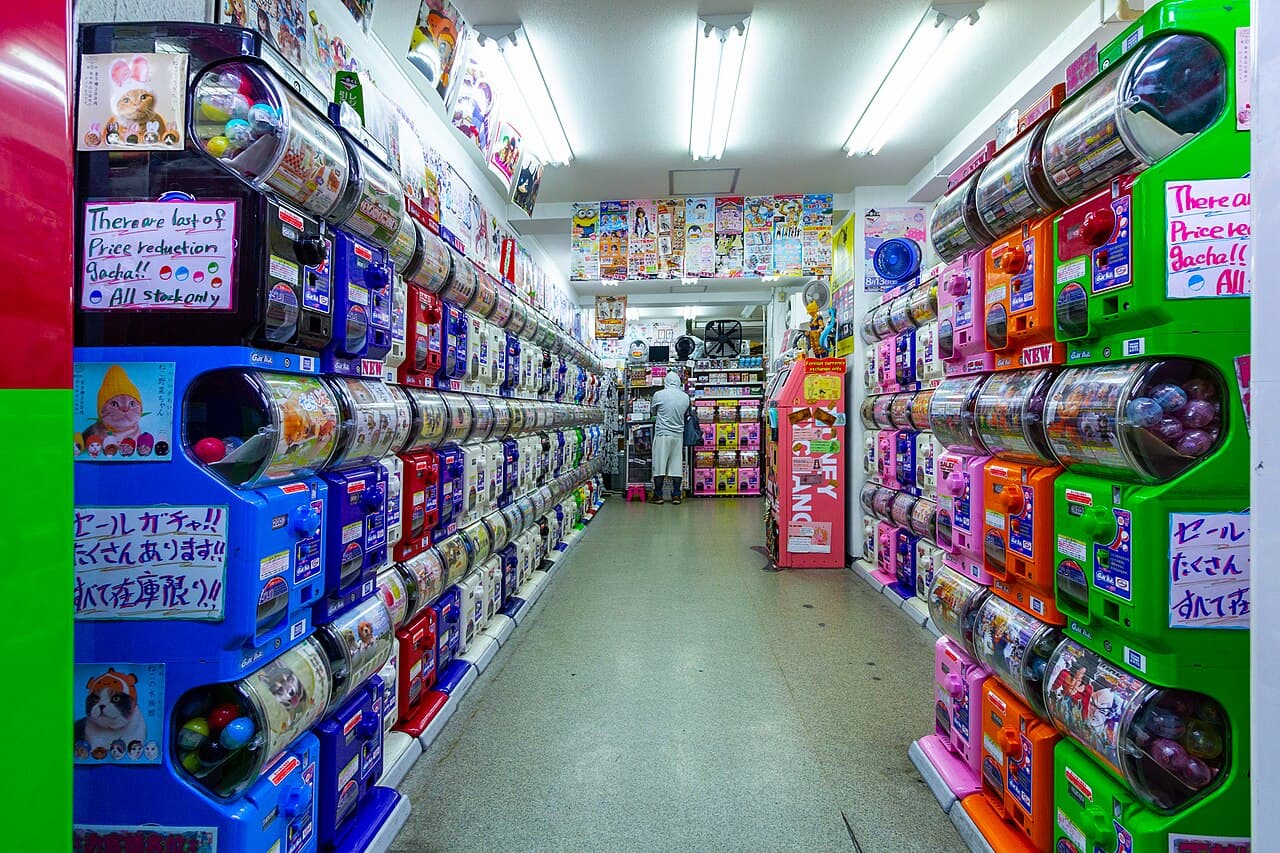
Capsule-toy machines (gachapon or gashapon, named for the crank-and-drop sound) are everywhere in Japan, but a few mechanics catch visitors out:
- You cannot choose which figure you get. Each machine holds one series of typically 4–6 designs and dispenses at random. The lineup is printed on the front — that's what you're buying, not a specific item.
- Most machines take ¥100 coins only and give no change. Prices are commonly ¥200–¥500, meaning two to five coins per turn. A ¥1,000 note gets you nowhere at a machine.
- Change machines exist in the big halls — find one before you start, and break notes into ¥100 coins in advance.
- Series rotate constantly. A machine you saw last month is very likely gone. This is a browse-and-decide purchase, not a hunt for a specific target.
- Duplicates are normal and trading is informal. Many halls have a shelf or wall where people leave duplicate capsules.
Where to go
Akihabara Gachapon Kaikan is the destination — around 500 machines in one shop, including a dedicated corner of collectible figures and the designer, deliberately-odd "grown-up" gacha that made Japanese capsule toys famous abroad. It's the single most efficient stop if gachapon is the point of the trip rather than a side activity. Note it is not tax-free registered and does not ship overseas, so this is a cash-and-carry stop.
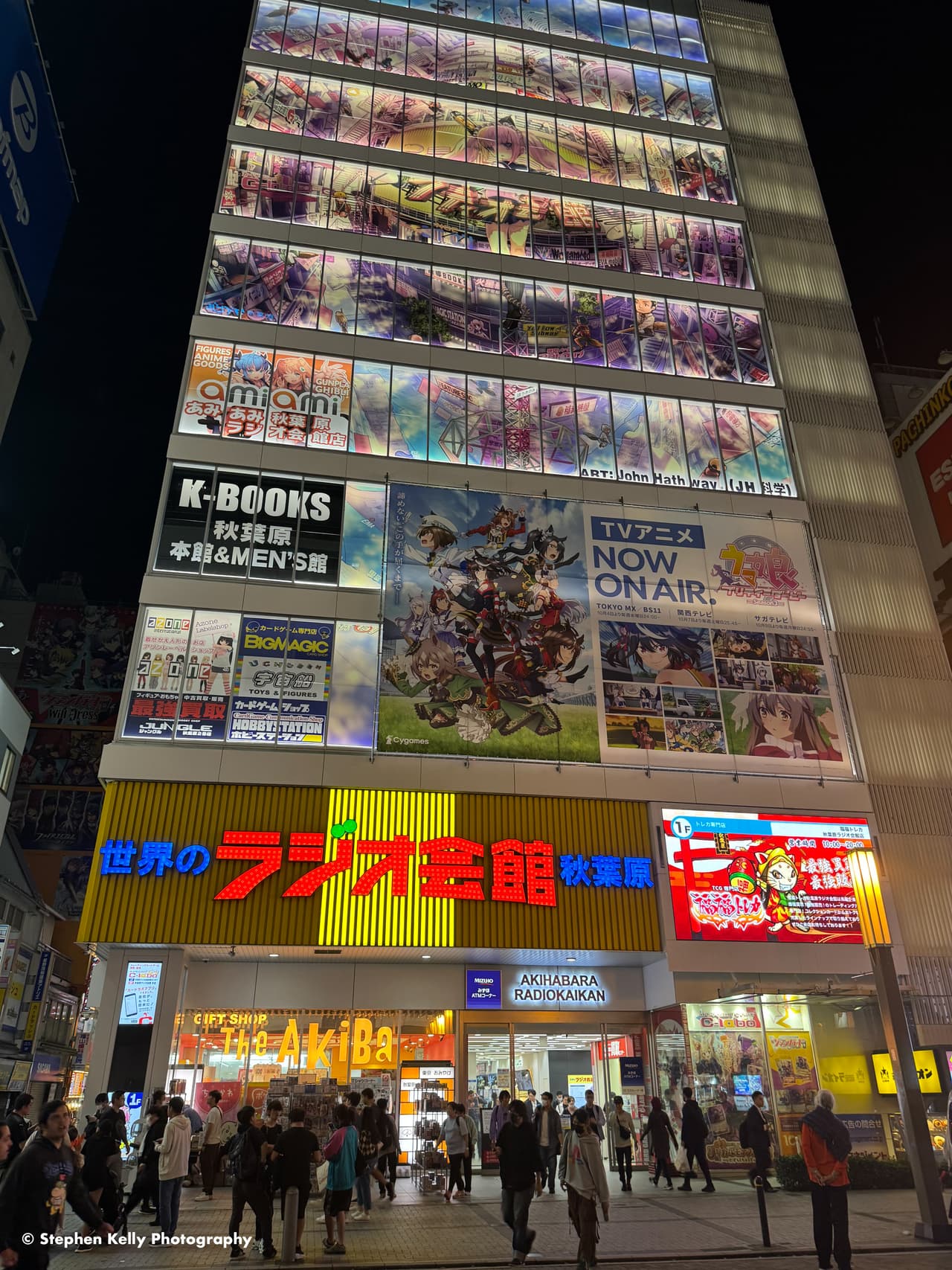
Akihabara Radio Kaikan has machines scattered through a building already full of figures, anime goods, cards and dolls — convenient if you're shopping there anyway.
GiGO Akihabara 2 (10:00–23:30) is primarily a crane-game arcade rather than a capsule hall, but the two scratch a similar itch and the late hours make it the reliable option when everything else has closed. Prize figures here are won, not bought.
Sunshine City Ikebukuro carries gashapon alongside anime pop-up shops and official character stores — the practical choice if you're already on the Otome Road side of the city.
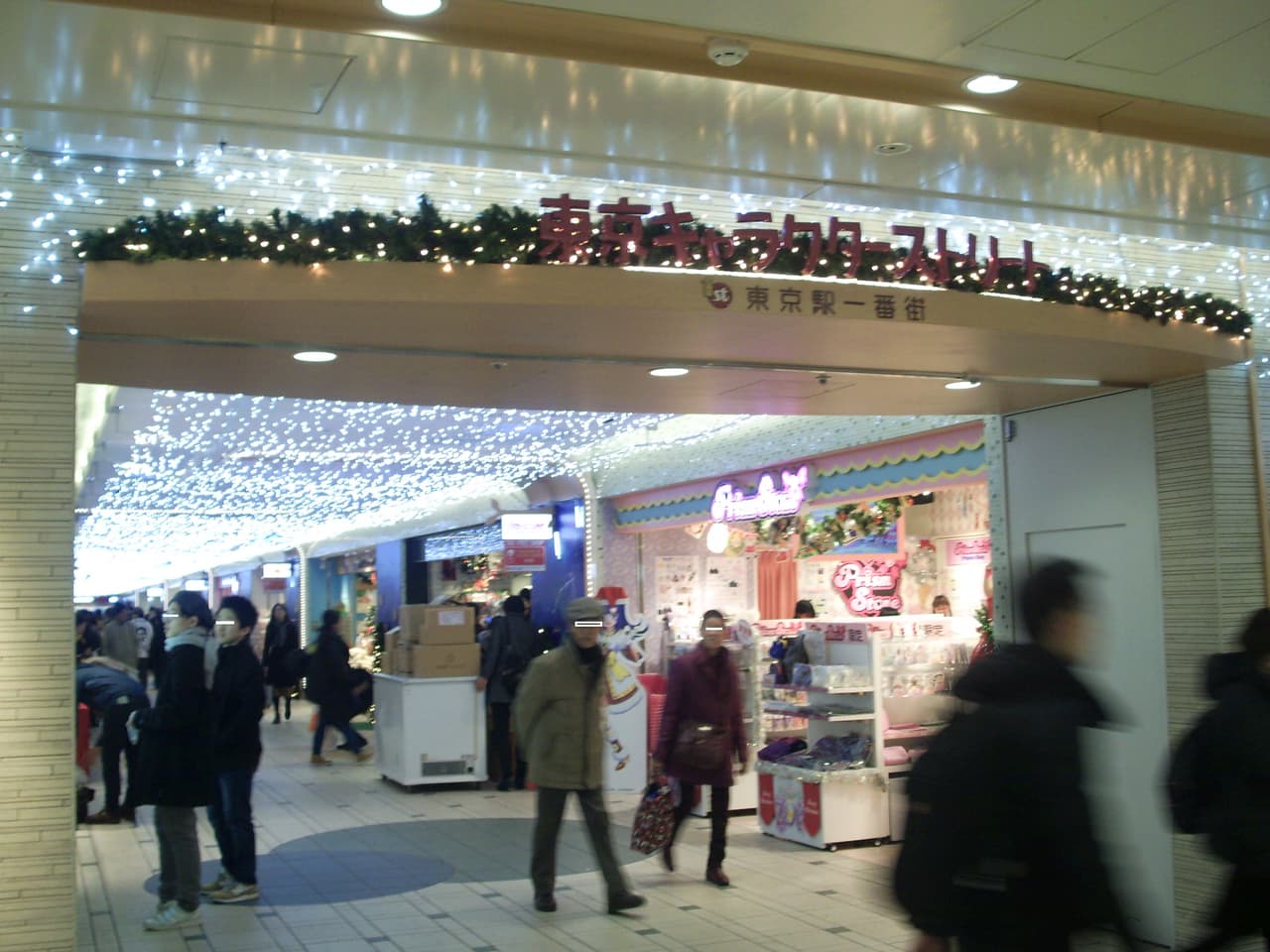
Tokyo Character Street (10:00–20:30) sits inside Tokyo Station, which makes it the best last-minute option in the country: Jump Shop, an official Pokémon shop, Ghibli's Donguri Kyowakoku and Sanrio, all inside the ticket gates' immediate reach on your way to the Shinkansen.
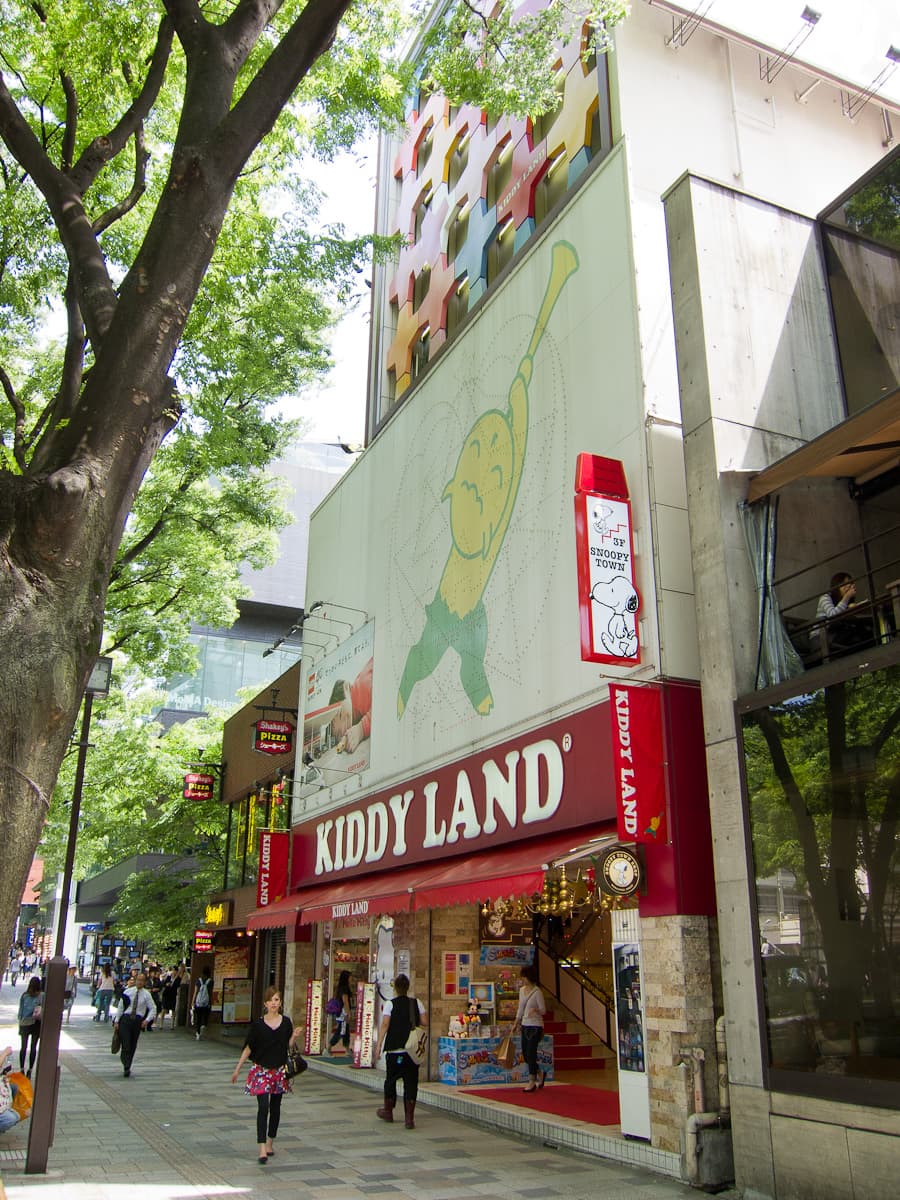
KIDDY LAND Harajuku (11:00–20:00, tax-free) is the character-goods counterpart in Harajuku, with Chiikawa Land on 1F and rotating Sonny Angel pop-ups — a different flavour from Akihabara's collector focus.
Practical notes
- Budget in coins, not yen. Decide how many turns you'll take before you start; the machines are designed to make "one more" feel cheap.
- Capsules are bulky, the toys are not. Almost everyone empties the capsules into a bag before flying home. Take the printed lineup card if you want the series information.
- These are toys, not licensed collectibles with certificates — condition and packaging are not graded the way secondhand figure stock is.
For the vocabulary you'll see on the machines, our otaku glossary covers gachapon and the rest.
Machine prices and coin handling as of August 2026; individual machines set their own price, so treat ¥200–¥500 as the common range rather than a rule.
자주 묻는 질문
- Where is the biggest gachapon shop in Tokyo?
- Akihabara Gachapon Kaikan, which holds around 500 machines in a single shop, including a collectible-figure corner and the designer 'grown-up' gacha series that Japanese capsule toys are known for abroad. It's the most efficient stop if gachapon is the purpose of your visit rather than something you do in passing. It is not tax-free registered and does not ship overseas.
- Can I choose which gachapon figure I get?
- No. Each machine holds one series of typically four to six designs and dispenses at random — the lineup printed on the front of the machine is what you are buying, not a specific item. Duplicates are normal, and many halls have a shelf where people leave spare capsules for others to take.
- Do gachapon machines take notes or cards?
- Most take ¥100 coins only and give no change. Turns commonly cost ¥200–¥500, so that's two to five coins each time. Break notes into ¥100 coins at a change machine before you start — the large halls have them — because a ¥1,000 note is useless standing in front of a machine.
- Where can I buy gachapon near Tokyo Station before my train?
- Tokyo Character Street, inside Tokyo Station itself, open 10:00–20:30. It packs Jump Shop, an official Pokémon shop, Ghibli's Donguri Kyowakoku and Sanrio into the station complex, so it works as a last stop on the way to the Shinkansen without leaving the building.