3 days in Tokyo for otaku: the complete first-timer itinerary
Three days is enough to properly cover Tokyo's otaku scene without rushing: Day 1 is Akihabara top to bottom, Day 2 pairs Nakano Broadway with Ikebukuro's Otome Road, and Day 3 is yours to pick — a franchise/character day (Gundam, Pokémon, Ghibli, Tokyo Character Street), a pilgrimage day trip, or a TCG/arcade day. Here's the stop-by-stop plan, with realistic travel times and how to sequence it so you're not backtracking across the city.
The short answer
Three days is the sweet spot for a first otaku trip to Tokyo: enough to see the essentials without burning out. The most efficient order is Day 1 = Akihabara (it's dense enough to fill a full day on its own), Day 2 = Nakano Broadway in the morning + Ikebukuro's Otome Road in the afternoon (both reachable from a central base with one transfer), and Day 3 = a flexible day you pick based on what you're into — franchise hubs, anime pilgrimage, or gaming. Base yourself near a JR Yamanote Line station (Shinjuku, Ueno or around Tokyo Station) so every day starts with an easy, short ride.
Day 1 — Akihabara, start to finish
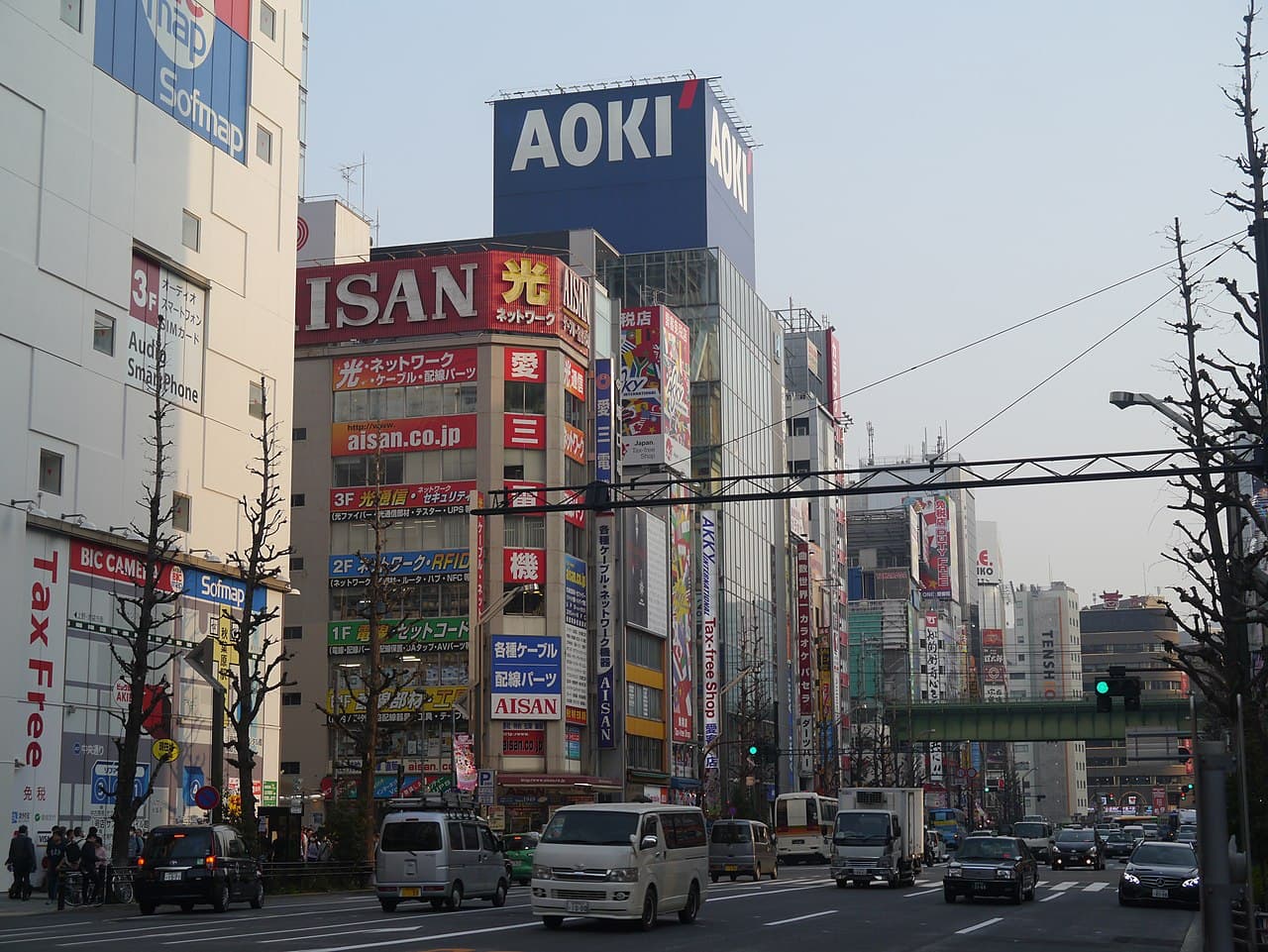
Give Akihabara the whole day; it rewards it. Start at the big-box stores (Radio Kaikan, Mandarake Complex, Yodobashi-Akiba) in the morning before they get crowded, break for lunch, spend the afternoon on specialty shops (figures at AmiAmi/Kotobukiya, retro games at Super Potato, gunpla/tools, trading cards), and save maid cafés, gachapon and arcades for the evening when the street lights up. We've mapped this hour by hour in One perfect day in Akihabara — use it as your Day 1 script, and the area pillar Akihabara otaku guide for the full shop-by-shop list with floors and tax-free info.
Day 2 — Nakano Broadway (AM) + Ikebukuro Otome Road (PM)
Start at Nakano Broadway, about 5 minutes from Shinjuku on the JR Chuo Line — it opens later than Akihabara (most shops from around 12:00), so a late-morning arrival works well. It's a dense multi-floor complex of Mandarake specialty shops (retro toys, doujinshi, idol goods, vintage manga), best explored slowly rather than rushed.
From Nakano, head back through Shinjuku to Ikebukuro's Otome Road — figure roughly 25–30 minutes door to door with one change. Otome Road is Tokyo's female-fan-oriented otaku street: BL goods, otome games, K-BOOKS and Animate's flagship, plus otaku-friendly cafés. It's a genuinely different vibe from Akihabara and worth the whole afternoon, especially if Akihabara's crowd and character skewed hard male for your taste.
Day 3 — pick your track
Day 3 is deliberately open. Pick the one that matches what actually got you excited on Days 1–2:
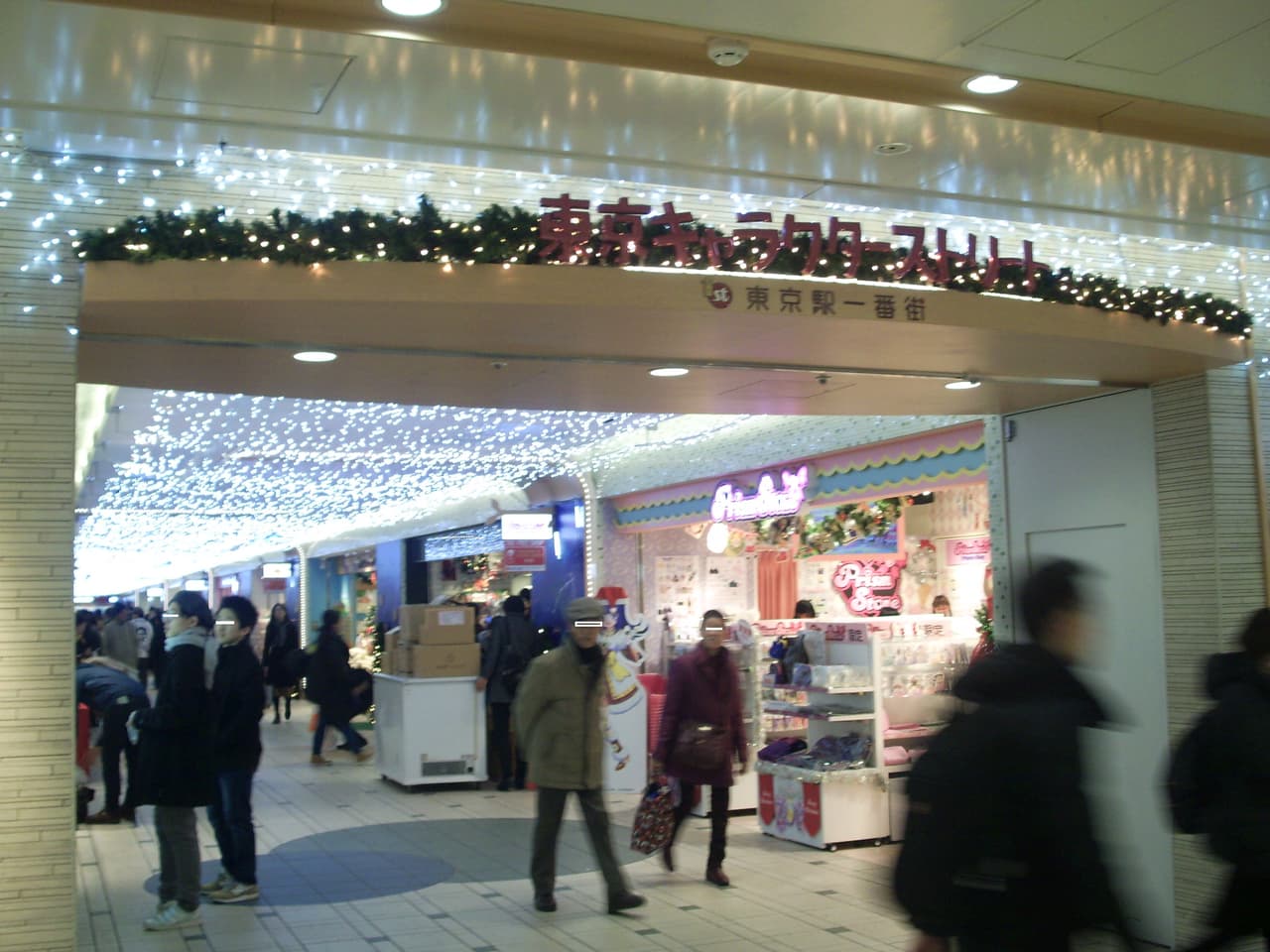
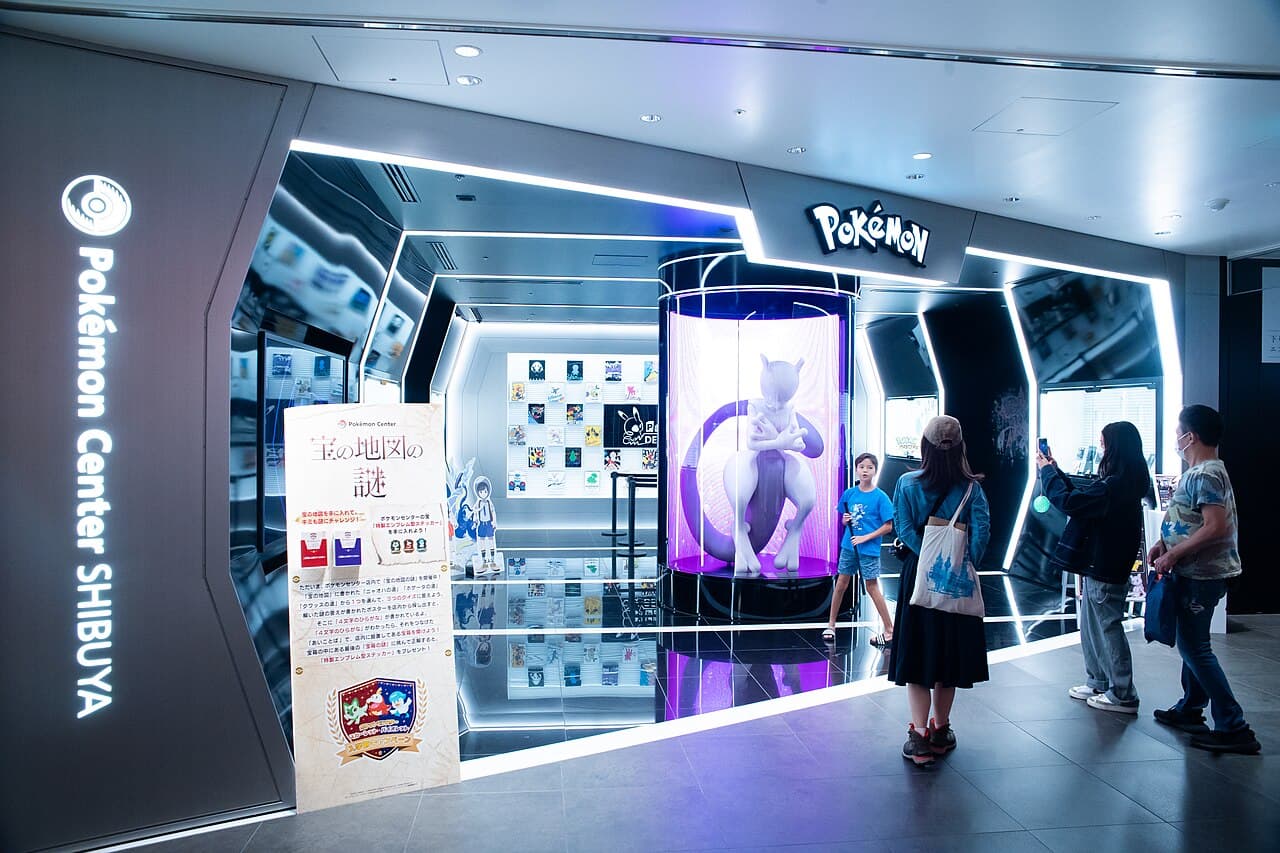
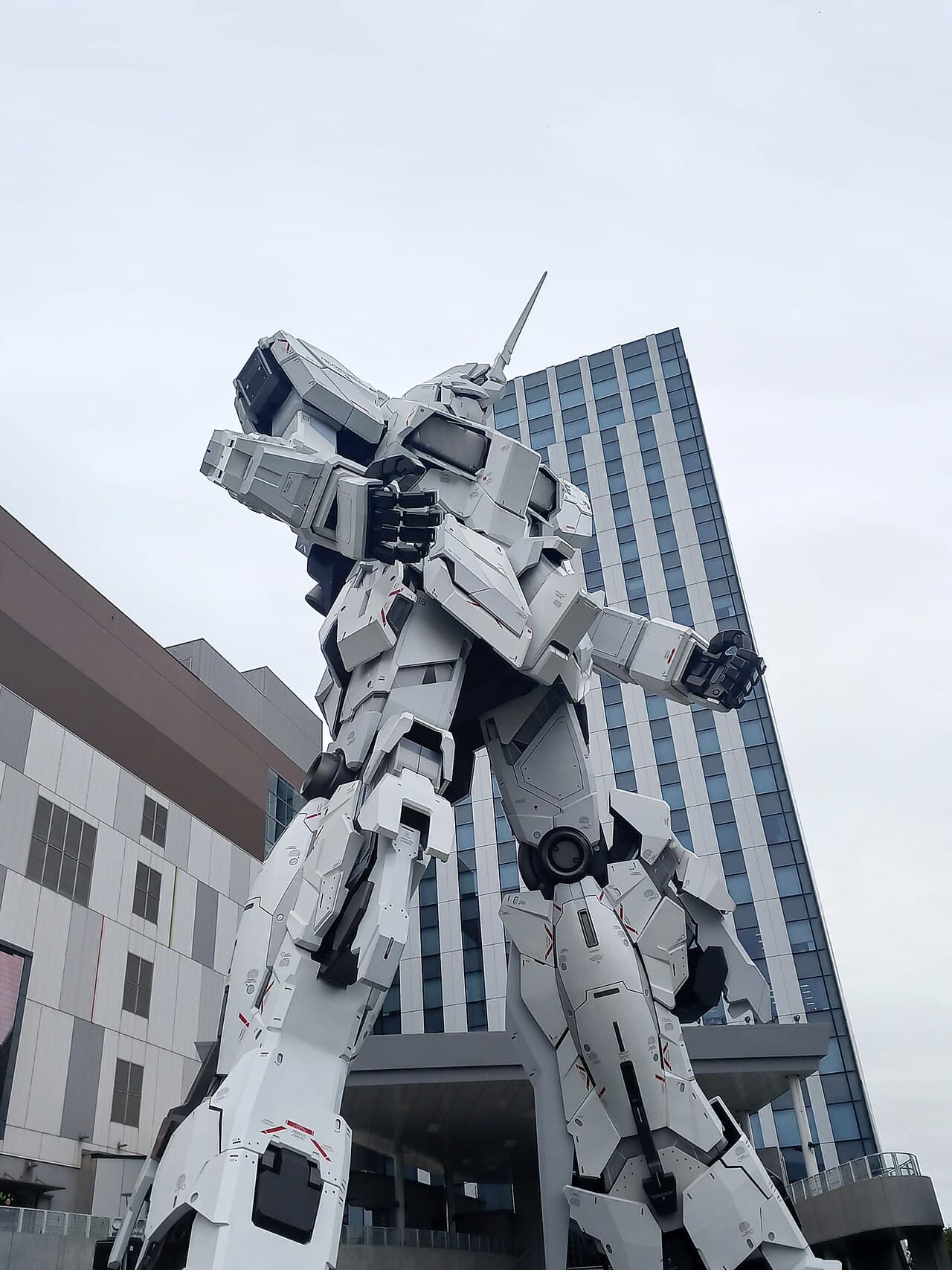
Franchise & character day (Tokyo-wide, low walking, no reservations to plan around Gundam/Pokémon): Start at Tokyo Character Street inside Tokyo Station (Jump Shop, official Pokémon shop, Ghibli's Donguri Kyowakoku, Sanrio and more under one roof), then work through our Pokémon in Tokyo and Gundam in Tokyo guides for the rest — both include the closed/open status of specific stores and exactly what needs a reservation, so check those pages before you go, especially for the Gundam Base Tokyo's weekend lottery.
Pilgrimage day trip: if a specific anime's real-world locations are the draw, our anime pilgrimage guide covers how to visit them respectfully, with spokes on Your Name, Slam Dunk, Evangelion's Hakone, Lucky Star's Washinomiya Shrine and more — pick one within day-trip range of Tokyo and build the day around it.
TCG / gaming day: if card games or arcades are more your speed, Where to play card games in Tokyo covers Pokémon, Magic, Yu-Gi-Oh and One Piece TCG venues (mostly back in Akihabara, so this pairs naturally with a return visit there) plus how a foreigner joins a store event.
Practical notes for the whole trip
Get a rechargeable IC card (Suica/Pasmo, physical or on a phone wallet) on Day 1 — every train, and most vending machines and convenience stores, take it, and you'll be tapping in and out constantly across three days. Most otaku-district shops open around 10:00–11:00 and close 20:00–21:00, so mornings are for logistics (luggage, IC card top-up) rather than shopping. See our tax-free shopping guide before Day 1 — bring your passport every day, since tax-free purchases require it at the register, not just once.
FAQ
See below.
FAQ
- I only have 2 days, not 3 — what should I cut?
- Keep Day 1 (Akihabara) as-is — it's the highest-value day. On Day 2, pick either Nakano Broadway OR Ikebukuro's Otome Road rather than both (they're on opposite sides of a transfer and each deserves unhurried time), and skip the Day 3 flex day entirely, or fold one franchise stop like Tokyo Character Street into a travel day since it's inside Tokyo Station.
- What's the best order — should I start with Akihabara or save it for last?
- Start with Akihabara. It's the easiest to navigate on jet lag (everything is close together, English signage is common), and finishing your trip with the more spread-out Day 2/3 stops when you're more comfortable with trains works better than the reverse.
- Do I need to book anything in advance for this itinerary?
- Not for Days 1–2. For Day 3, the Ghibli Museum (part of the franchise track) is advance-reservation-only and sells out weeks ahead, and the Pokémon Café in Nihonbashi is online-reservation-only — check those specific pages before you build Day 3 around them.
- How do I get around between these areas?
- A rechargeable IC card (Suica or Pasmo) works on every train and subway line used in this itinerary — JR Yamanote/Chuo lines cover Akihabara, Shinjuku, Nakano and Ikebukuro; add it to a phone wallet before you land, or buy a physical card at any JR station.